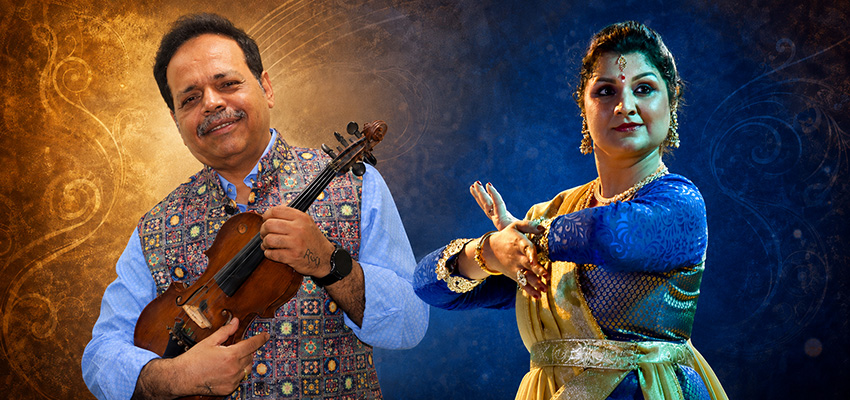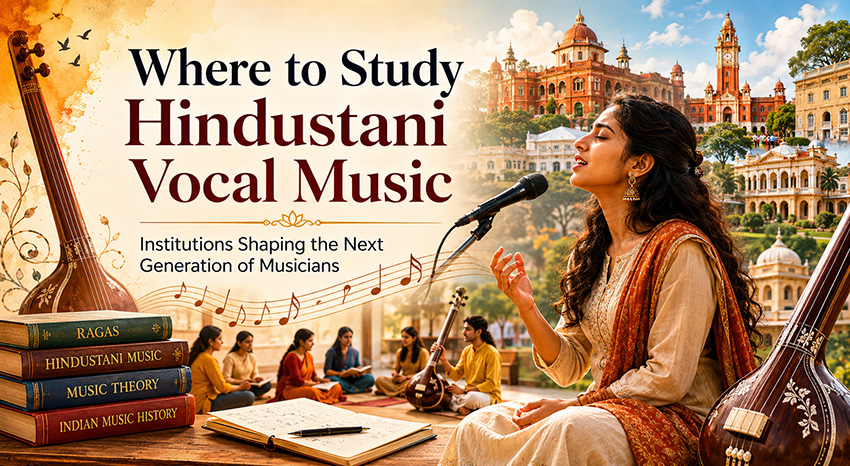
For centuries, Hindustani classical music evolved through the intimate and immersive tradition of the guru-shishya parampara, where knowledge was transmitted orally through years of close discipleship, rigorous riyaaz, observation, and lived experience. Even today, this remains the spiritual and artistic foundation of the tradition.
At the same time, the landscape of music education in India has undergone a significant transformation. Universities, specialised music institutions, and interdisciplinary performing arts schools are increasingly offering structured academic pathways that combine practical training with theory, musicology, research, performance exposure, and contemporary professional opportunities.
For aspiring vocalists, the choices today are wider than ever before.
A student may seek intensive performance-oriented training under a guru. Another may wish to combine vocal music with research, pedagogy, sound studies, or arts management. Some may look for culturally vibrant cities with regular concert exposure, while others may prioritise academic credentials and long-term teaching careers.
Choosing the right institution, therefore, is not merely about rankings. It is about finding the ecosystem that aligns with one’s temperament, aspirations, and commitment to the art.
Importantly, no institution alone can create an artist. In Hindustani music, sustained riyaaz, listening culture, humility before tradition, and meaningful mentorship remain irreplaceable.
What Should Students Look For Before Choosing an Institution?
Before applying to a music programme, students and parents should evaluate several factors beyond infrastructure or degree titles.
Nature of Training
Some institutions are deeply performance-oriented, while others place equal emphasis on academics, research, and musicology. Students should honestly assess whether they seek a concert career, teaching pathway, scholarly engagement, or a blend of these.
Faculty and Guru Lineage
The artistic lineage and teaching philosophy of faculty members matter immensely in classical music. Exposure to accomplished gurus and visiting maestros can shape a student’s musical journey profoundly.
Cultural Ecosystem of the City
Cities such as Varanasi, Kolkata, Pune, Mumbai, and Lucknow offer rich live music environments, baithaks, festivals, and opportunities for listening — an essential aspect of musical growth.
Performance Opportunities
Students should explore whether institutions regularly organise:
- student recitals,
- lecture demonstrations,
- workshops,
- interactions with senior musicians,
- and collaborations with cultural organisations.
Academic and Research Orientation
For students interested in higher studies, NET qualification, or PhD research, institutions with strong academic frameworks and archival resources can be highly beneficial.
Institutions Worth Exploring for Hindustani Vocal Music
Banaras Hindu University
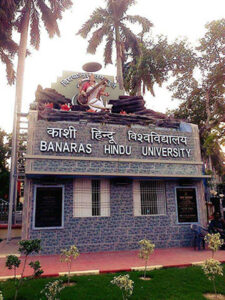 Among India’s most respected centres for music education, Banaras Hindu University has played a historic role in institutionalising classical music studies. Located in the spiritually and culturally vibrant city of Varanasi, the university offers students a rare combination of academic rigor and immersion in a living musical tradition.
The Faculty of Performing Arts has produced numerous accomplished musicians, scholars, and educators over decades. Students benefit not only from classroom instruction but also from the city’s dense ecosystem of temples, music gatherings, festivals, and traditional music families.
BHU is particularly suited for students seeking a balanced pathway that combines performance training, theoretical grounding, and scholarly engagement.
Website: https://www.bhu.ac.in
Bhatkhande Sanskriti Vishwavidyalaya
Few institutions have contributed as significantly to the codification and structured pedagogy of Hindustani music as Bhatkhande. Named after Pandit Vishnu Narayan Bhatkhande, whose pioneering work helped systematise Hindustani music education, the institution remains an important centre for classical music studies.
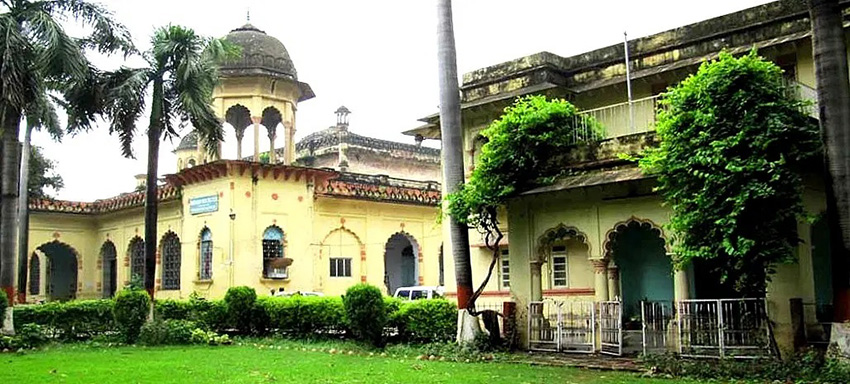
The university offers specialised programmes across vocal music, instrumental music, dance, and musicology. Its curriculum reflects a strong traditional orientation while maintaining academic structure.
Lucknow’s own cultural heritage — shaped by gharana traditions, mehfil culture, and refined aesthetics — adds to the learning experience.
The institution is ideal for students seeking deep grounding in traditional pedagogy and formal music education systems.
Website: https://bhatkhandeuniversity.ac.in
Rajkumari Indira Singh Kala Sangeet Vishwavidyalaya
Often regarded as one of India’s most specialised universities dedicated exclusively to music and fine arts, Rajkumari Indira Singh Kala Sangeet Vishwavidyalaya occupies a unique place in India’s cultural education landscape.
Established in Khairagarh, the university offers extensive programmes in vocal music, dance, instrumental music, folk arts, theatre, and visual arts. Over the years, it has emerged as an important centre for both practical training and academic research.
Its relatively immersive campus environment allows students to remain closely connected to artistic practice and peer learning communities.
The institution is especially suitable for students seeking a comprehensive performing arts ecosystem with strong focus on both practice and research.
Website: https://www.iksv.ac.in/
Rabindra Bharati University
Founded in memory of Gurudev Rabindranath Tagore, Rabindra Bharati University occupies a distinguished place in India’s cultural education ecosystem.
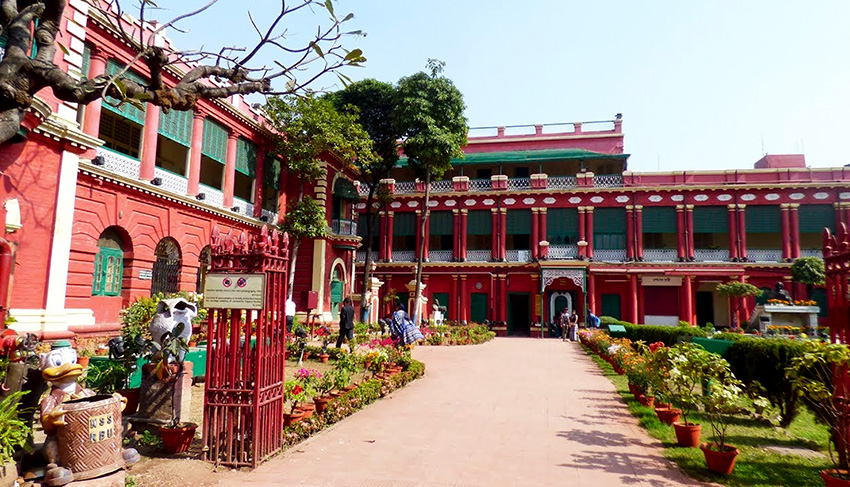
Kolkata’s long-standing engagement with classical music, semi-classical traditions, literary culture, and intellectual discourse gives students a rich interdisciplinary environment. The university’s music programmes encourage both performance and critical engagement with aesthetics, literature, and cultural history.
Students are exposed to a vibrant artistic atmosphere that extends beyond the campus into the city’s numerous festivals, music conferences, and cultural institutions.
Rabindra Bharati is particularly suited for students who value an intellectually and culturally layered artistic environment.
Website: https://www.rbu.ac.in/
Savitribai Phule Pune University
Pune has long been regarded as one of the important cultural centres of Hindustani classical music in western India. The city’s strong concert culture, music festivals, and tradition of music education make it a favourable environment for aspiring vocalists.
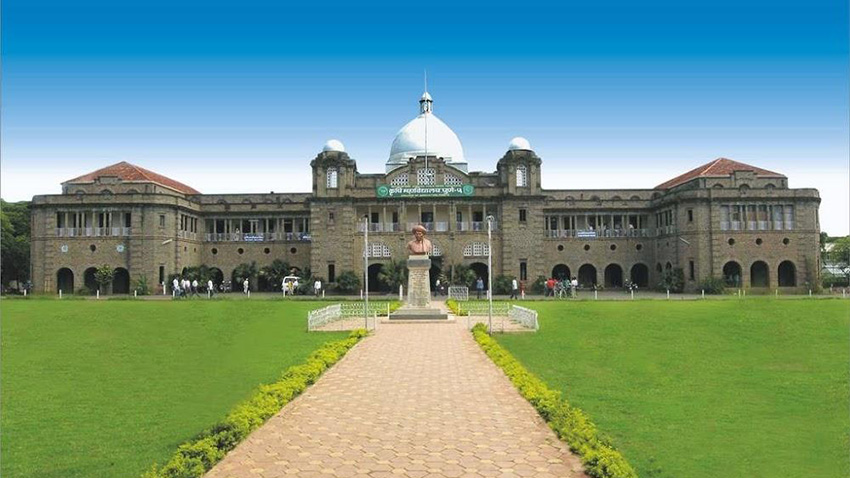
Savitribai Phule Pune University and its affiliated institutions offer students opportunities to pursue structured academic programmes while simultaneously engaging with Pune’s wider music ecosystem.
For students who wish to combine university education with parallel talim under independent gurus, Pune offers unique possibilities.
Website: https://beta.unipune.ac.in/
University of Delhi
Delhi University’s music programmes benefit significantly from the capital city’s dynamic cultural landscape. Students gain exposure to national festivals, government cultural institutions, archives, and frequent performances by leading artists.
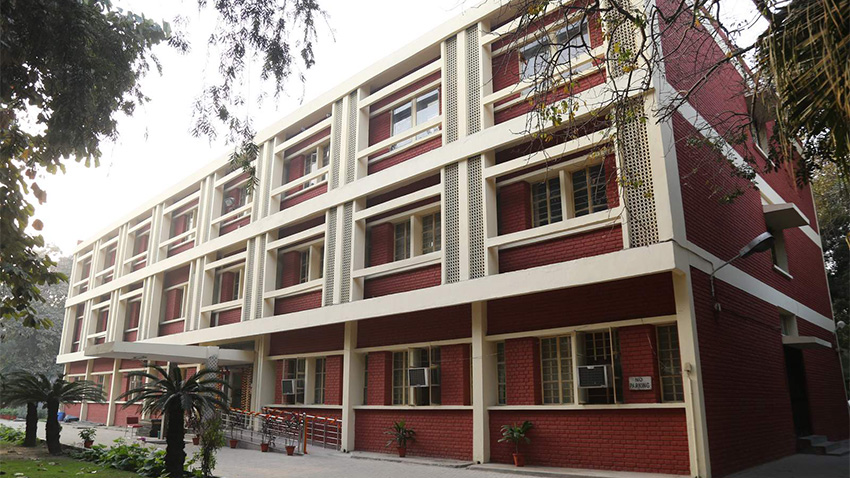
The university environment also encourages interdisciplinary exploration, allowing students to connect music studies with literature, history, media, cultural studies, and research.
Delhi can be particularly beneficial for students interested in combining performance aspirations with broader academic and cultural engagement.
Website: https://music.du.ac.in/
Maya Somaiya School of Music and Performing Arts under Somaiya Vidyavihar University
Among the newer institutions in this space, Maya Somaiya School of Music and Performing Arts represents an emerging interdisciplinary approach to arts education.
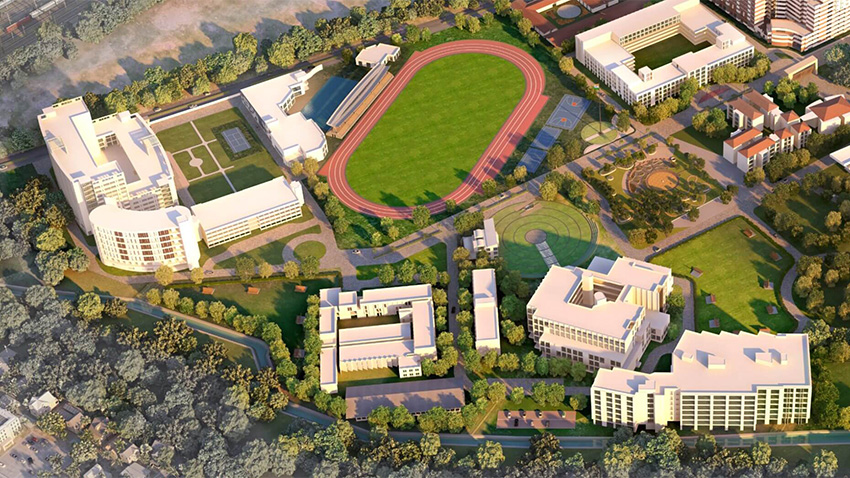
Located within the larger ecosystem of Somaiya Vidyavihar University in Mumbai, the school seeks to integrate traditional arts education with contemporary academic frameworks and collaborative learning environments.
Mumbai’s cosmopolitan cultural landscape offers students exposure not only to classical performance circuits but also to media, interdisciplinary arts practice, digital platforms, and creative industries.
The institution may particularly appeal to students looking for contemporary performing arts education within a multidisciplinary university ecosystem.
Website: https://mssmpa.somaiya.edu/en
Beyond Degrees: The Importance of Continuous Talim
While universities and institutions can provide structure, community, exposure, and academic credentials, Hindustani music ultimately demands lifelong commitment.
Students must remember that:
- daily riyaaz remains central,
- listening is as important as singing,
- mentorship matters deeply,
- and artistic maturity evolves slowly over years.
Many successful musicians continue parallel training under gurus even while pursuing formal university education.
In today’s rapidly evolving cultural landscape, institutional education can open pathways into:
- performance,
- teaching,
- research,
- digital pedagogy,
- arts administration,
- archival work,
- cultural journalism,
- and interdisciplinary collaborations.
But the essence of the journey remains unchanged.
In Hindustani music, the search is not only for a career — it is also for a voice, a discipline, and a lifelong relationship with sound itself.
Disclaimer: The information presented in this article is based on details available on the official websites of the respective institutions and other sources in the public domain at the time of publication. Courses, admission processes, faculty, infrastructure, and institutional offerings may change periodically. Readers are advised to visit the official websites of the respective institutions for the latest and most accurate information before making academic decisions.