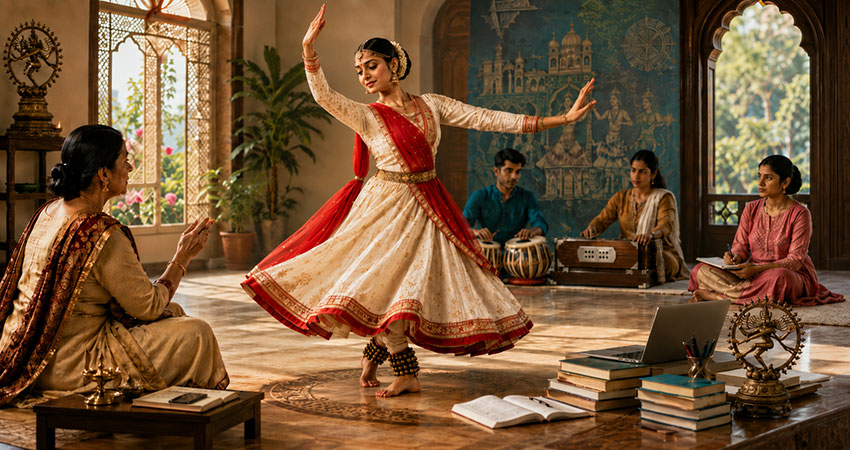
Can a Kathak Degree Create a Complete Artist?
For many young dancers and their families, a degree in Kathak appears to offer a clear path into the world of classical dance. It provides


For many young dancers and their families, a degree in Kathak appears to offer a clear path into the world of classical dance. It provides
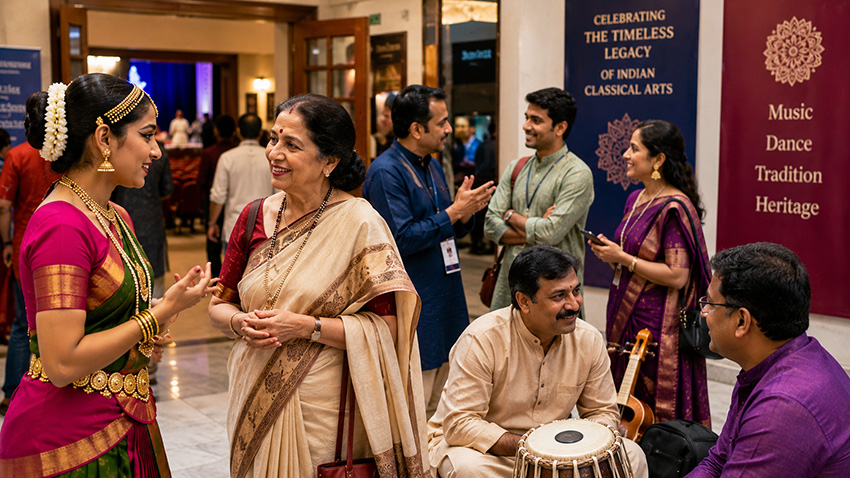
In the classical arts, relationships matter. A student may find a mentor through a workshop. A young artist may receive a performance opportunity because an
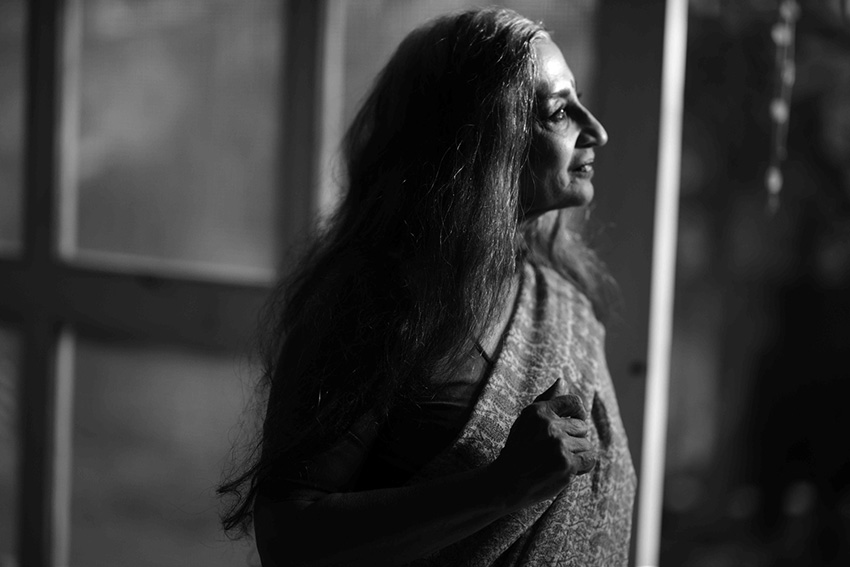
One of Pakistan’s most fearless cultural voices, Sheema Kermani has spent over four decades proving that dance can be much more than performance-it can become
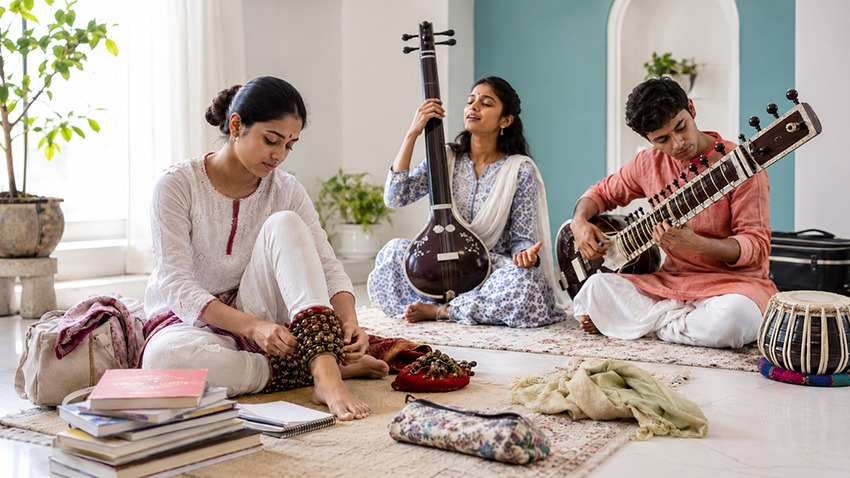
There was a time when learning Indian classical music or dance was spoken of almost entirely in terms of devotion, discipline and surrender. A student
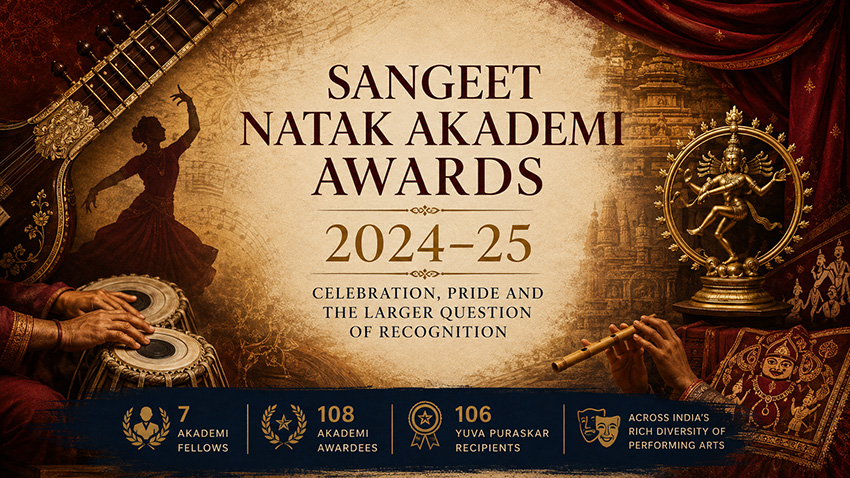
For India’s performing arts community, the Sangeet Natak Akademi Awards are never just a list of names. They are moments of collective memory. Every name
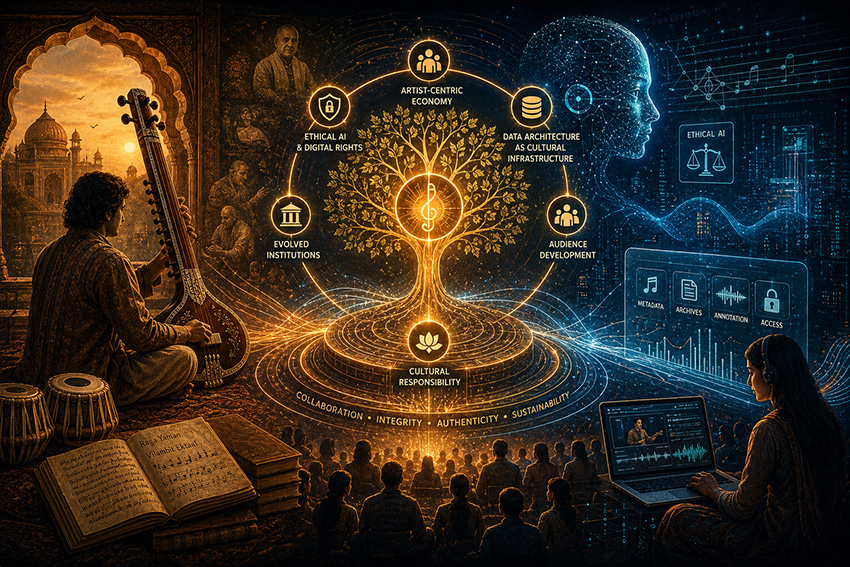
The journey from Darbar to Digital is not merely a shift in medium. It is a transition in structure — from patronage to platforms, from
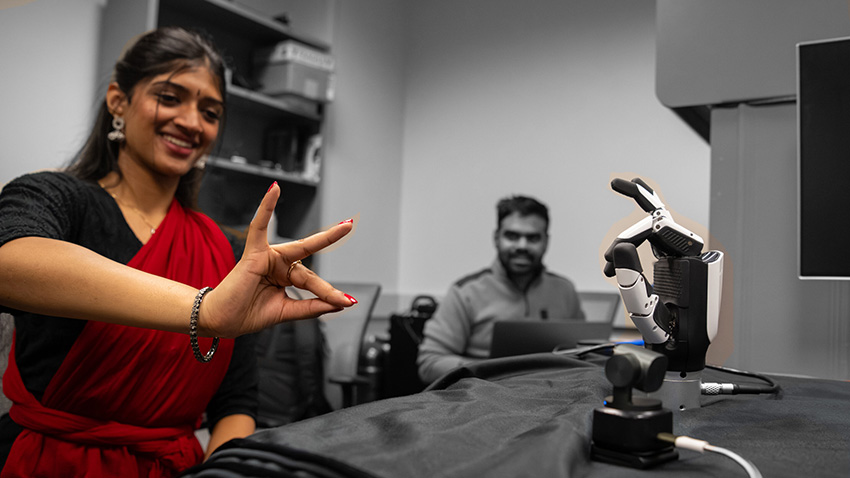
The idea sounds almost unbelievable at first: Bharatanatyam is helping robots learn how to move their hands. In an era dominated by artificial intelligence, automation,
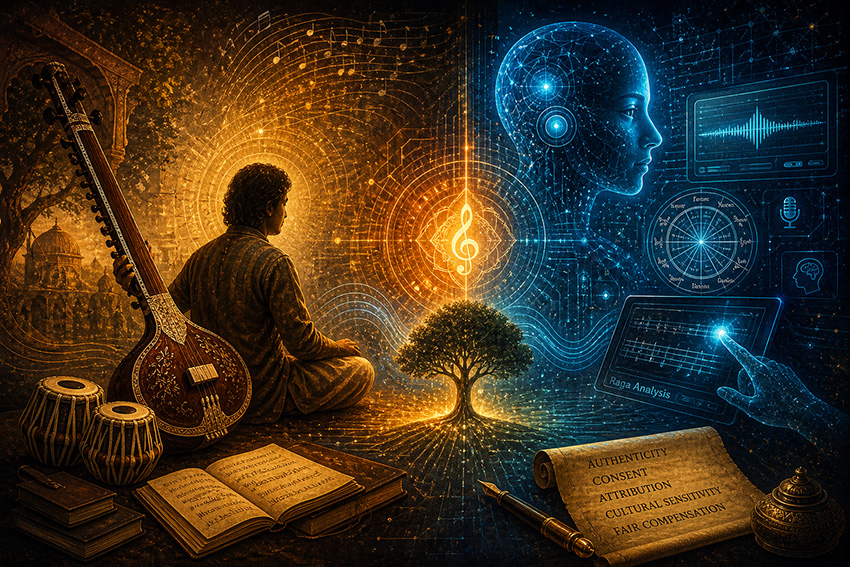
Artificial Intelligence has entered the world of music with remarkable speed. Today, AI systems can generate melodies, imitate voices, assist in composition, and analyze musical
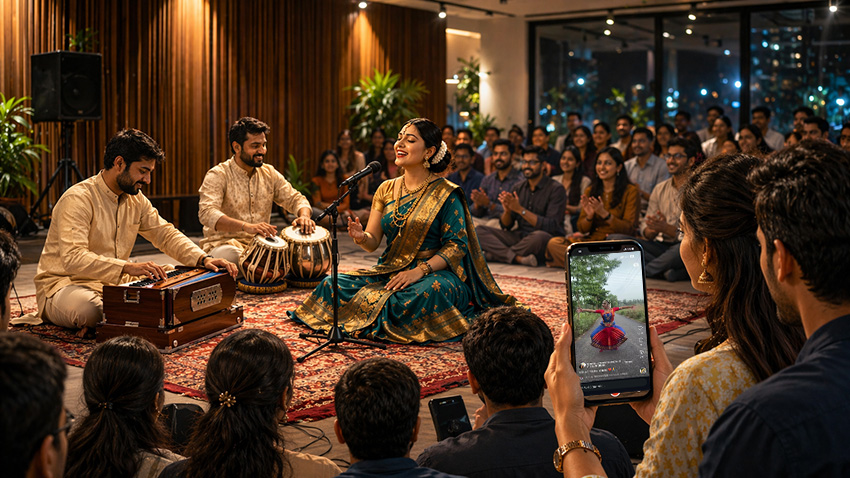
भारतीय शास्त्रीय संगीत और नृत्य की परंपरा केवल साधना, तकनीक और प्रस्तुति का संयोजन नहीं है; यह मूलतः एक जीवंत संवाद है – गुरु और
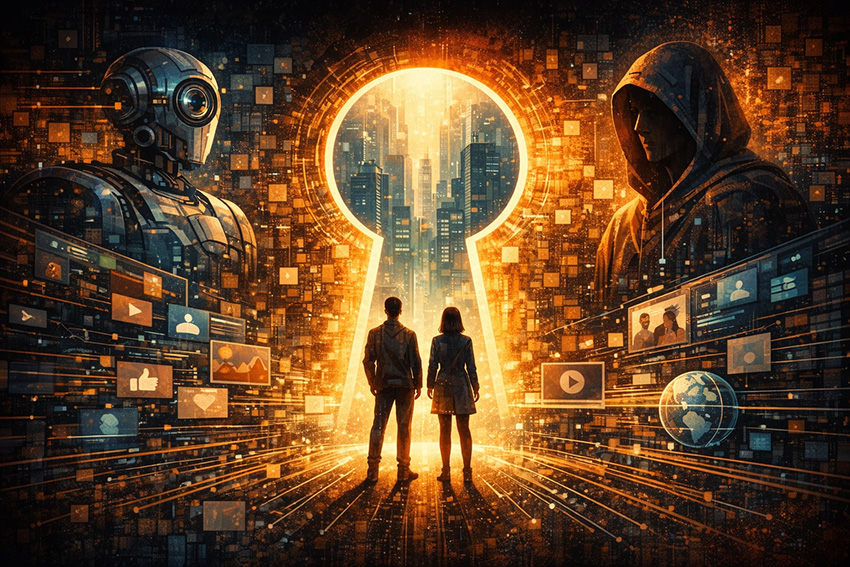
In earlier eras, access to Indian Classical Music was shaped by identifiable gatekeepers. In the Darbar, it was the patron. In the broadcast era, institutions