For generations, Indian performing artists have devoted years to mastering technique, repertoire and performance. Yet many enter professional life with limited exposure to the equally important work that takes place beyond the stage – planning productions, raising funds, developing audiences, communicating with institutions, marketing their work and managing finances.
Recognising this gap, Mumbai’s Nalanda Nritya Kala Mahavidyalaya has introduced Kala Prabandha, a three-month certificate course in Arts Management led by noted arts consultant Dr Usha R.K. The programme aims to help artists understand the wider professional ecosystem within which the arts function and build careers that are both artistically fulfilling and sustainable.
While formal arts education generally focuses on performance and scholarship, artists are increasingly expected to take on several additional roles. They must conceptualise projects, prepare proposals, approach sponsors, promote performances, collaborate with organisations, understand contracts and, frequently, create their own opportunities. These responsibilities can be particularly challenging for emerging and independent artists who may not have access to professional management support.
Kala Prabandha seeks to address these realities through structured and practical learning. The curriculum covers arts management, performance organisation, audience development, fundraising, marketing and branding, institutional collaboration, legal and financial matters, and entrepreneurship within India’s cultural sector. Interactive sessions and a final practical project will allow participants to apply what they learn to situations encountered in the professional arts world.
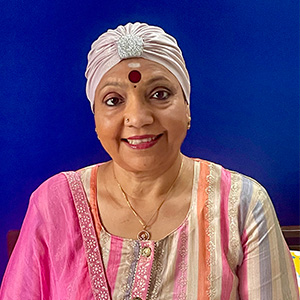
Speaking about the need for such an initiative, Dr Usha R.K. says:
Dr Usha Rk
“A course such as Kala Prabandha is not only the need of the hour, but also perhaps the first of its kind to engage so closely with the realities of the Indian arts ecosystem. My own journey and forays into the many ‘other’ areas that surround the arts form an important part of the course content. These are aspects that artists frequently encounter in their professional lives, but rarely have an opportunity to study in a structured manner.”
Her observation points to an important truth: an artistic career is shaped not only in the classroom or rehearsal hall, but also through the artist’s ability to understand and navigate the structures surrounding the arts. Artistic excellence remains at the centre, but sustaining that excellence requires planning, communication, collaboration and sound professional decision-making.
The course draws upon Dr Usha R.K.’s varied experience across the cultural sector. Her journey as an arts consultant, presenter, curator and cultural administrator offers participants insights into the many dimensions involved in taking an artistic idea from conception to execution. Such experience can help learners understand not merely the theory of arts management, but also the practical challenges, relationships and decisions that determine whether a project succeeds.
The programme is open to undergraduate and postgraduate arts students, emerging performers, arts educators, choreographers and independent artists. Applicants are expected to have completed a minimum of six years of training in any genre of art under recognised institutions or gurus. This makes the course relevant not only to classical dancers, but also to musicians and practitioners from other artistic disciplines seeking to develop their professional capabilities.
Conducted entirely in person, the 12-week course will have sessions twice a week, on Tuesdays and Saturdays, from 3 pm to 5 pm. On successful completion, participants will receive a Certificate in Arts Management.
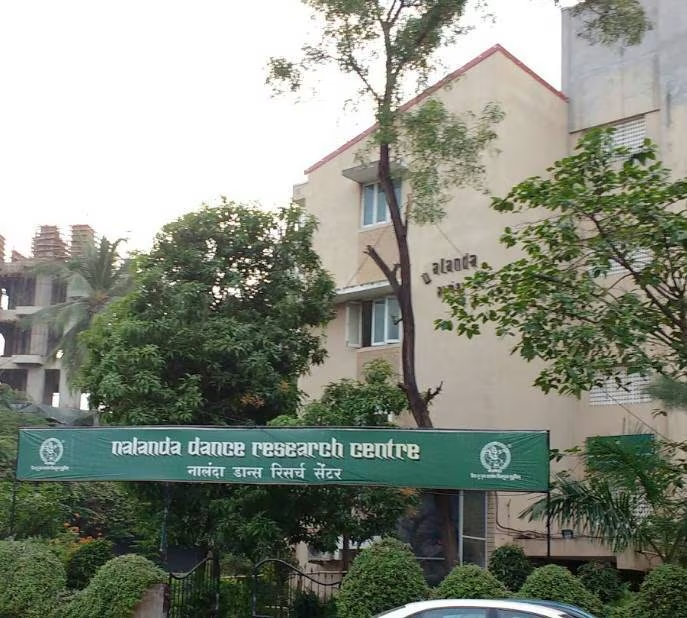
The launch of Kala Prabandha also marks a meaningful extension of Nalanda’s long-standing contribution to performing arts education. Established in 1973 by renowned dancer and academician Dr Kanak Rele, Nalanda Nritya Kala Mahavidyalaya has played a pioneering role in establishing Indian classical dance as a discipline worthy of formal academic study and research. The institution is currently headed by Principal Dr Uma Rele.
By introducing arts management within its educational framework, Nalanda is acknowledging the changing needs of today’s artist. The initiative does not move attention away from artistic training; instead, it equips practitioners to protect, present and extend the reach of their artistic work.
At a time when artists are increasingly becoming their own managers, communicators, producers and entrepreneurs, Kala Prabandha could help bridge a crucial divide between rigorous artistic training and the realities of professional practice. It may also encourage arts institutions across the country to consider how education can prepare students not only to perform, but to build resilient and meaningful lives in the arts.