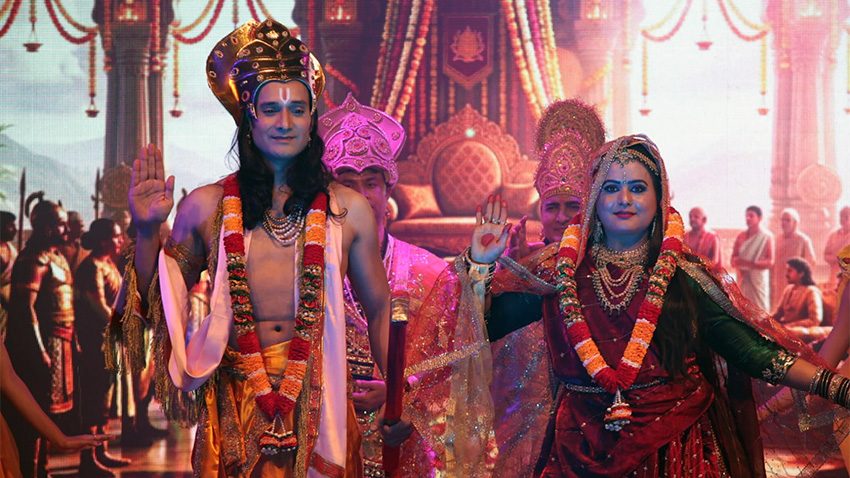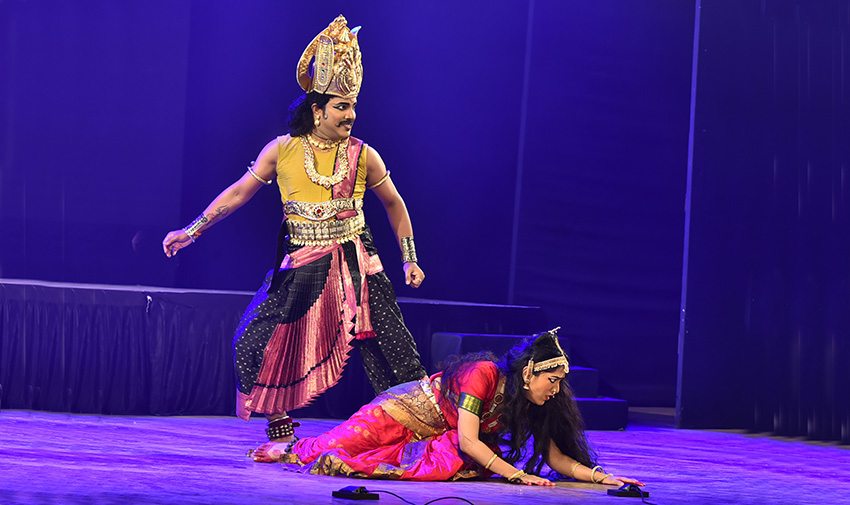
 India’s classical dance traditions are among the richest expressions of its cultural heritage, yet their audiences often remain confined to those already familiar with these art forms. Breaking this barrier and bringing classical dance closer to the common audience was the inspiration behind Ashta Bhava, Ashta Nritya – Mahabharata, an ambitious production conceptualised by Gayatri Mishra, Director of the Pune Art and Culture Foundation. Bringing together all eight recognised Indian classical dance forms through episodes from the Mahabharata, the production celebrates India’s artistic diversity while highlighting its shared cultural identity.
“The idea emerged from something I repeatedly observed while attending classical dance performances with my daughter. Most audiences consisted of family members, friends and acquaintances of the performers. I wondered why such extraordinary artistic traditions were not reaching a wider audience,” explains Gayatri Mishra.
The breakthrough came during a conversation with her husband, Sandip Kolhatkar, who suggested using the Mahabharata as the connecting narrative. Its familiar characters, conflicts and emotions could provide audiences with an accessible introduction to the complexities of classical dance.
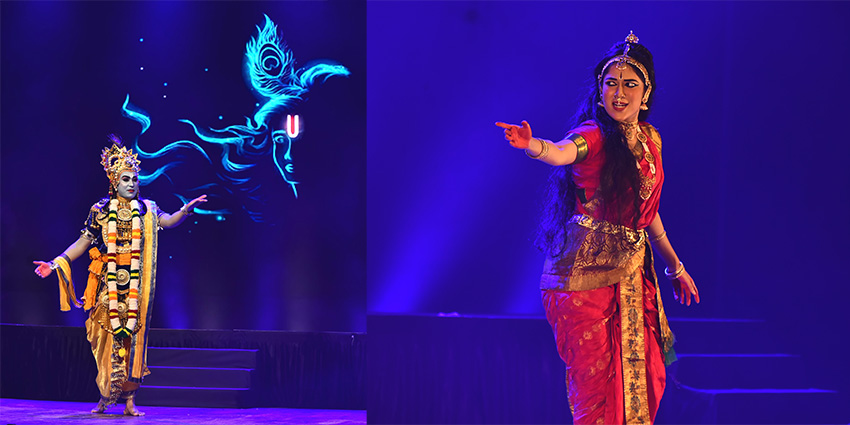
“After nearly five months of research, we developed a framework connecting eight principal Bhavas from the Natya Shastra with eight episodes from the Mahabharata, each interpreted through a different classical dance form. We wanted audiences to experience the beauty of classical dance without feeling intimidated by its technical vocabulary,” she says.
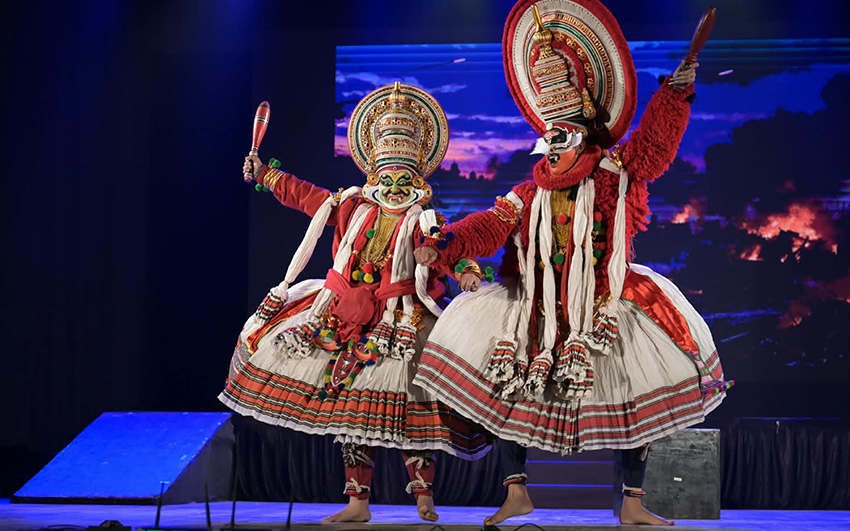
The production incorporated Bharatanatyam, Kathak, Kathakali, Kuchipudi, Odissi, Manipuri, Mohiniyattam and Sattriya. A Sutradhar inspired by Assam’s Ankiya Nat tradition introduced each episode, creating a bridge between the performers and spectators.
For Gayatri, presenting eight classical traditions together was also a statement about India’s cultural unity.
“India’s strength lies in its diversity. Every classical dance form has its own movement vocabulary, rhythm, costume and regional identity, yet they share a common cultural foundation. Through this production, we wanted to celebrate the spirit of Ek Bharat – Shreshtha Bharat. Different artistic languages can come together to tell one powerful story,” she explains.
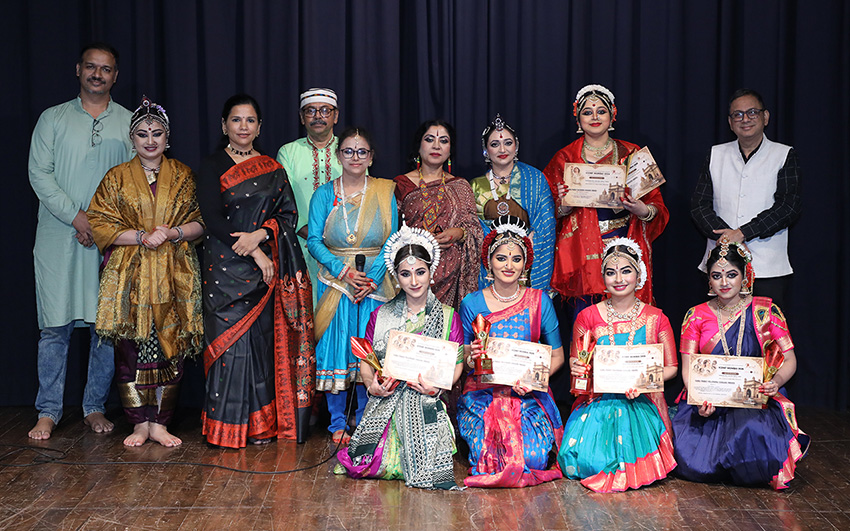
The production brought together more than 50 artists, musicians and technical collaborators from different parts of India. Gayatri developed the concept, content and script, while Dr Devika Borthakur provided artistic and academic leadership.
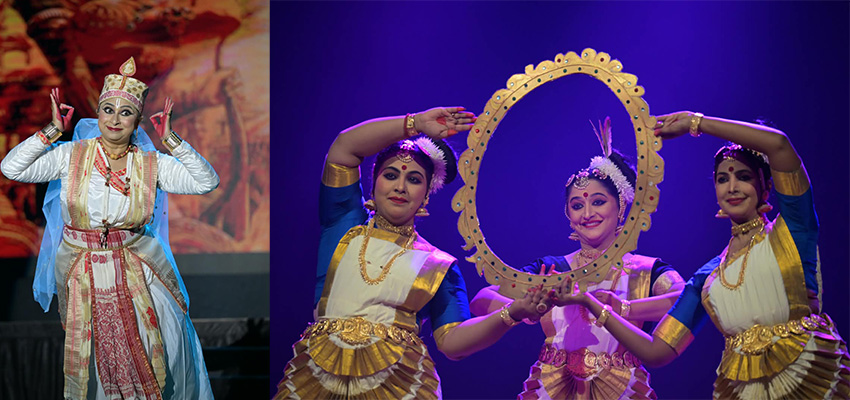
The participating gurus included Arundhati Patwardhan for Bharatanatyam, Leena Ketkar for Kathak, Renjish Nair for Kathakali, Dr Vasanth Kiran Rayasam and Gayatri Ambekar for Kuchipudi, Rasika Gumaste for Odissi, Manjula Nambiar for Mohiniyattam and Dr Devika Borthakur for Sattriya. The Sruti Performing Troupe from Kolkata presented Manipuri.
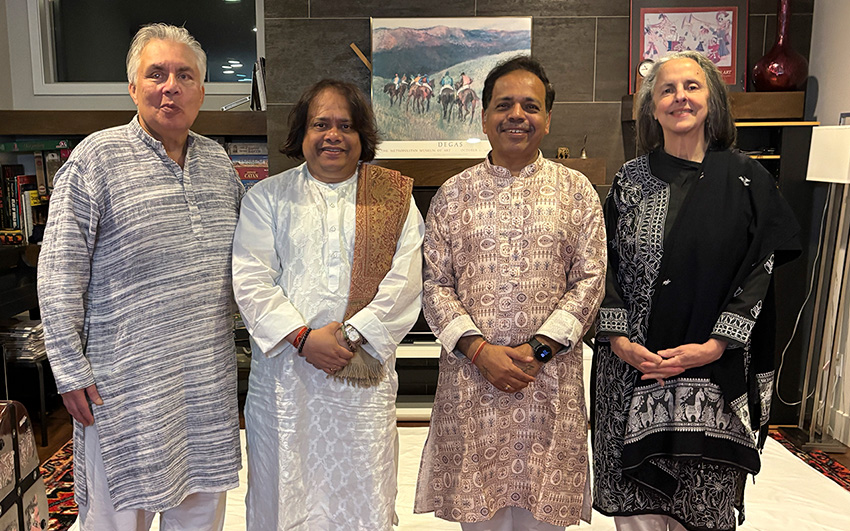
The creative team included Amlan Jyoti Das, who composed and sang the theme song, alongside vocalist Jahnabi Mishra. Vinod Kumar Ordu and Gaurav Srivastava contributed voice-overs, while the technical and management teams coordinated the elaborate presentation.
Behind this production lies the larger vision of the Pune Art and Culture Foundation, a non-profit organisation established to promote art, culture and literature. As descendants of celebrated playwright and humorist Shripad Krishna Kolhatkar, Gayatri and Sandip are committed to carrying forward his cultural legacy.
“Our daughter is a Sattriya dancer, and watching her dedication made us realise how much discipline, preparation and sacrifice go into even a short performance. We wanted to create a platform that recognises artists, gives them greater exposure and offers some financial encouragement,” Gayatri shares.
The foundation has collaborated with the Pune Municipal Corporation on cultural programmes during River Festivals, World Environment Day and other occasions. Its literary initiatives have included celebrating renowned author Ruskin Bond’s 92nd birthday.
At a time when Western dance styles enjoy enormous popularity among younger generations, Gayatri believes productions rooted in storytelling can introduce audiences to India’s classical heritage without positioning different dance cultures against one another.
“Western and Indian dance forms need not compete. Every tradition has its own beauty. The challenge is making our classical arts understandable to contemporary audiences. When people recognise a Mahabharata story, they naturally connect with the emotions being expressed. Through that connection, they begin appreciating the gestures, movements and distinctive qualities of each dance form,” she explains.
Following the encouraging response to its inaugural staging in Pune, the foundation now hopes to take the production across India.
“Our dream is to present this work in major cities as well as smaller cultural centres. We also want to organise educational workshops and special performances for students. Classical dance should not remain limited to a select audience; it belongs to everyone,” Gayatri emphasises.
The foundation hopes to secure institutional support from the Ministry of Culture, Sangeet Natak Akademi and other cultural organisations to make a nationwide tour possible.
Gayatri acknowledges the encouragement of Pune Municipal Commissioner Shri Naval Kishore Ram, Mayor Manjusha Deepak Nagpure, Deputy Municipal Commissioner Dr Santosh Tengale, the Balgandharv Rangmandir team and every participating artist and collaborator.
“Ultimately, this production is not merely about presenting eight dance forms on one stage. It is about helping people rediscover their cultural roots and understand that despite our many differences, India’s artistic soul remains beautifully connected,” she concludes.