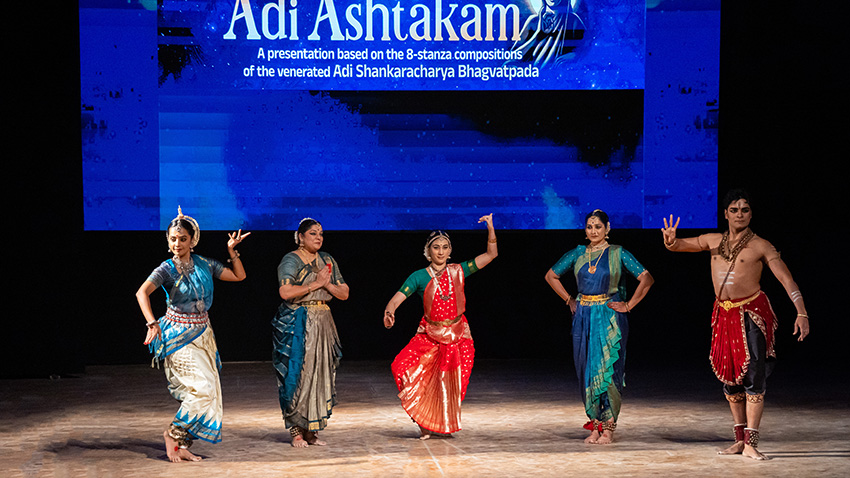
For the first time, the sacred verses of Adi Shankaracharya were transformed into living classical movement across Kashmir and onward to Teetwal near the Line of Control, where philosophy, devotion and geography briefly became one continuous breath.
Civilisations are often remembered through their wars, their treaties, their ruins and their rulers. Yet their truest measure may lie elsewhere: in the ideas they continue to sing, the prayers they continue to dance, and the beauty they still know how to offer. What recently unfolded across Kashmir belonged to that rarer register of history. In a cultural initiative of uncommon depth, the compositions of Adi Shankaracharya were embodied through Indian classical dance in Srinagar, upon the sacred heights of Shankaracharya Hill, and at Teetwal near the Line of Control. It was not merely an artistic presentation. It was memory set in motion.
To interpret the Ashtakams through dance is itself an act of artistic courage. These luminous Sanskrit compositions are rich not only in poetic beauty but in philosophical density. They demand from the dancer more than technique. They require inwardness, surrender and intelligence. To bring them into the grammar of Bharatanatyam and Odissi, and to do so in Kashmir where the memory of Shankaracharya still lingers in stone, temple and landscape, gave the undertaking an exceptional stature.
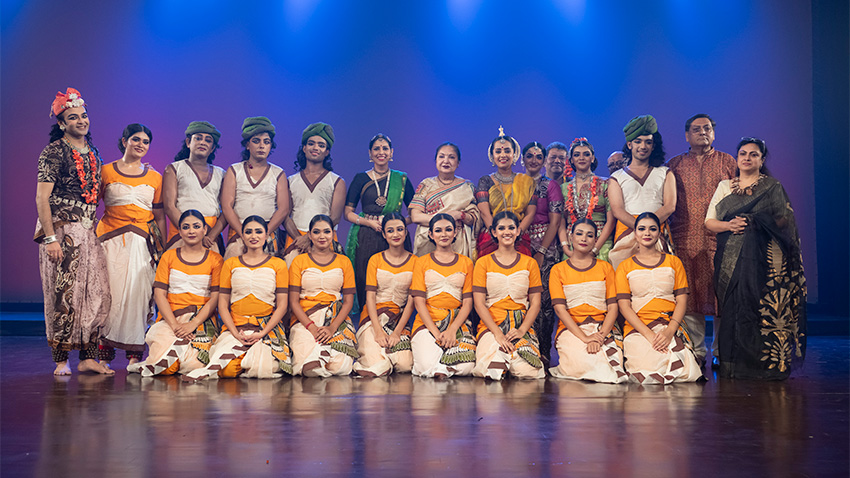
At Tagore Hall in Srinagar, the first major presentation unfolded before an audience that sensed it was witnessing something beyond recital. Sacred poetry, so often encountered through chant or solitary devotion, stepped into the public sphere clothed in rhythm, mudra and rasa. The Sharada Bhujanga Ashtakam invoked the goddess of wisdom with luminous grace. The Panduranga Ashtakam carried the sweetness of surrender. The Ganga Ashtakam flowed with contemplative depth, reminding one that rivers in Indian thought are not water alone but consciousness in motion. The Kala Bhairava Ashtakam summoned the fierce guardian of time and dharma with commanding force. The Guru Ashtakam concluded with a truth as old as India itself, that splendour without reverence is empty.
Yet the true grandeur of this initiative lay in what followed. The dancers ascended Shankaracharya Hill, where philosophy itself seems to linger in the mountain air. There, before the shrine associated with the great Acharya, performance dissolved into offering. Gesture became prayer. Footwork became seva. The body, disciplined through years of practice, became an instrument of worship.
Then came the most arresting chapter of all. At Teetwal, near the Line of Control, the same sacred movement vocabulary was offered once more. Here, in a landscape marked by vigilance and memory, classical dance entered as a language untouched by hostility. That the verses of Shankaracharya were invoked at such a frontier gave the moment an almost poetic inevitability. Philosophy met geography. Devotion met history. Art stood where rhetoric often falters.
One was reminded that the finest traditions of Indian aesthetics never separated beauty from moral imagination. Dance here was not escapism. It was a civilisational statement. It suggested that culture can travel where politics hesitates, and that art possesses the power to soften even the hardest edges of terrain.
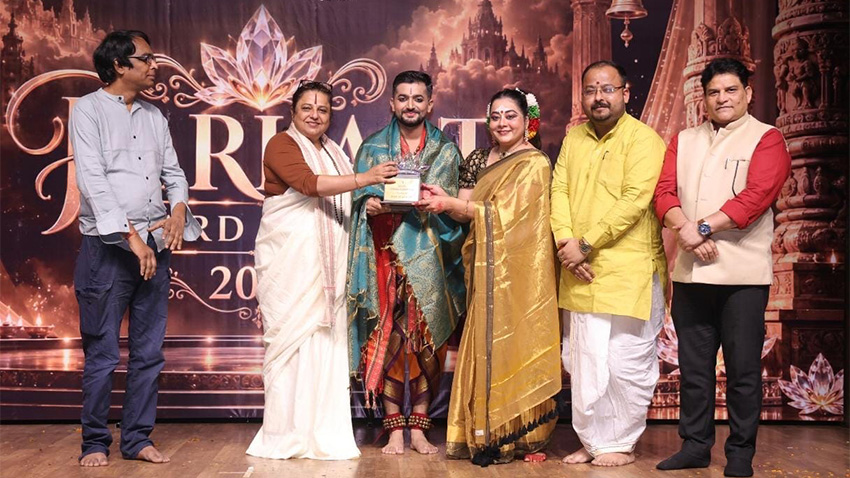
The ensemble of dancers brought to the occasion both discipline and individuality. Arundhati Patwardhan danced with inward serenity, making stillness itself eloquent. Mithun Shyam carried vigour tempered by meditative control, particularly arresting in the Kalabhairava passages. Namrata Mehta brought lyric fluidity and devotional warmth. Shreyasi Gopinath offered poised intelligence and emotional sincerity. Sayali Kedar Kane gave Panduranga an affecting tenderness, where bhakti felt intimate and universal at once.
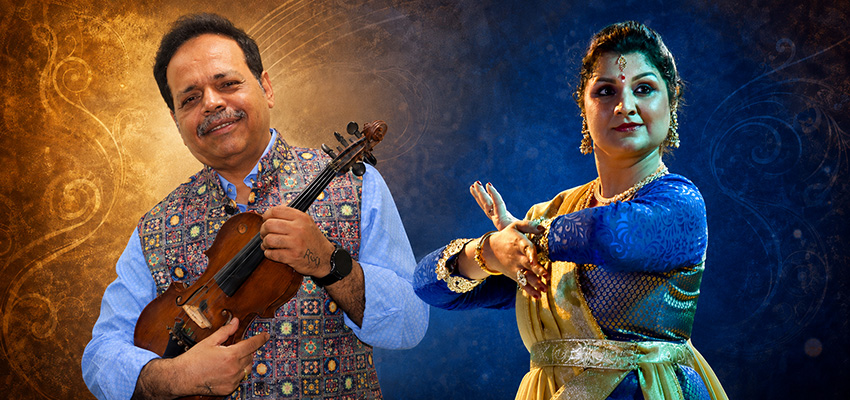
Presiding over this landmark undertaking was Dr. Usha RK, whose vision transformed a performance into a cultural moment of consequence. It is one thing to curate dancers and repertoire. It is quite another to place art in conversation with history, sacred geography and national memory. Her leadership achieved precisely that. Reflecting on the initiative, she observed that monuments preserve stone, but culture survives only when renewed through living practice. To carry Adi Shankaracharya’s thought into dance across Kashmir, she said, was to allow wisdom to move once more through the human body.
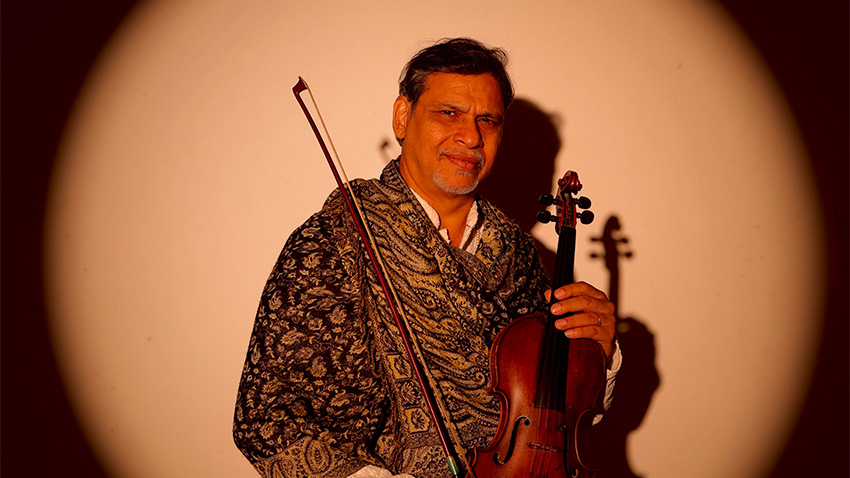
The musical architecture by Vidya Harikrishna provided the invisible thread that held the journey together. Her compositions honoured the gravitas of the texts while allowing movement to breathe freely. Voice and rhythm became currents through which the dancers travelled.
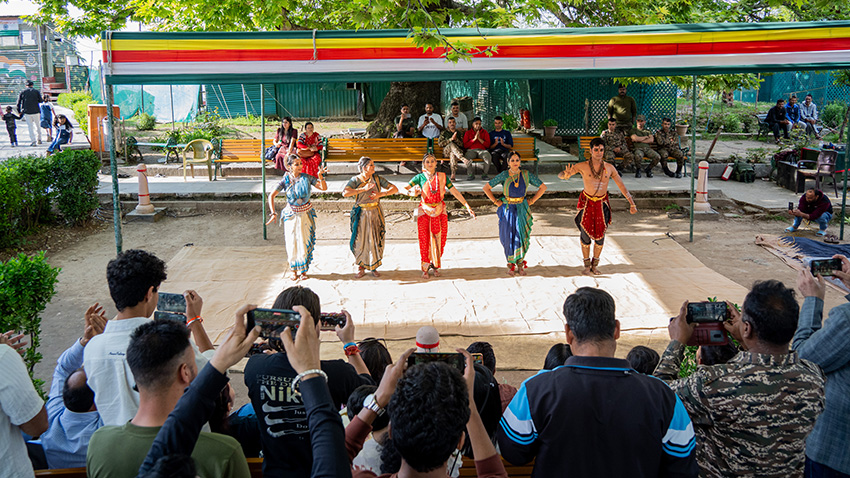
For the artistes themselves, the journey has already entered memory as something larger than performance. Arundhati Patwardhan reflected that the experience transformed dance from presentation into prayer, leaving her with a sense of gratitude she would carry for life. Mithun Shyam described it as a moment of patriotic fulfilment, affirming the power of classical dance to strengthen civilisational confidence and cultural continuity. Namrata Mehta spoke of returning with a heart full of devotion, unity and unforgettable memories shaped by Srinagar, Shankaracharya Hill and Teetwal. Shreyasi Gopinath called it a once in a lifetime blessing, recalling the privilege of dancing at the sacred temple and offering Sharada Bhujangashtakam in Teetwal amid Kashmir’s breathtaking beauty. Sayali Kedar Kane described the journey as a divine culmination of years of discipline and surrender, made even more moving by the warmth of the Srinagar audience. Dr. Vinay Datta, who documented the journey, remembered it as a rare confluence of art, patriotism and the sacred.
What remains after such an event is not memory of costume or applause, but the sense that something long awaited has finally occurred. The Ashtakam, rooted in sacred poetic order, found breath in movement where philosophy, faith and discipline converged. When the final gesture dissolved into silence, it seemed less an ending than an ancient memory returning to breath.