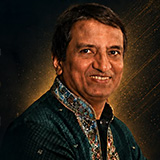

Veteran theatre personality and actor P. Balakrishnan (Balaji), also known as Balan Tripunithara, was honoured with the Chakyar Rajan Memorial Award during the concluding programme of From Immersion to Sadhana, an initiative jointly organised by Natyasastra Gurukulam, Navi Mumbai, and Aatmalaya Academy of Art and Culture Trust, Bengaluru.
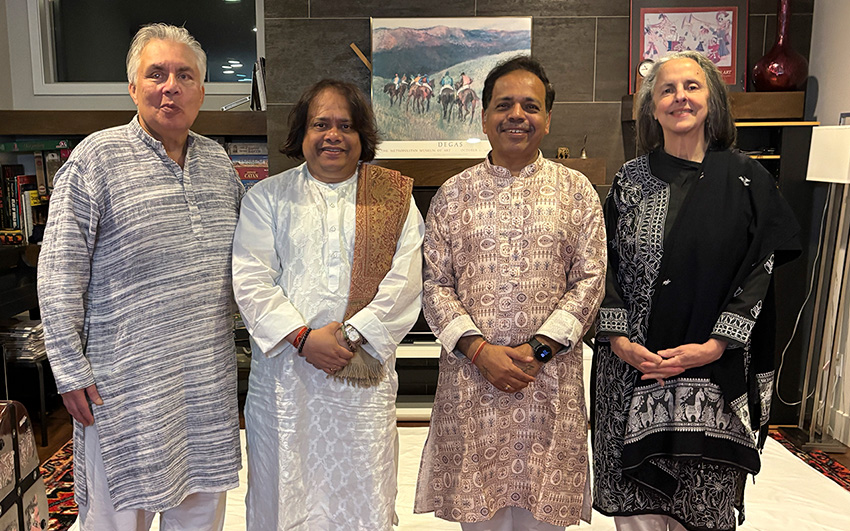
The award was presented at the Lion Dr. Ashok Mehta Auditorium of Shree Shanmukhananda Fine Arts and Sangeetha Sabha, Matunga, in the presence of Justice Somasekhar Sundaresan, Justice Sriram, Dr. Padmaja Suresh of Aatmalaya, senior Bharatanatyam guru K. Kalyanasundaram of Sri Rajarajeshwari Bharatha Natya Kala Mandir, and Rohit Viswanathan of Natyasastra Gurukulam.
The Chakyar Rajan Memorial Award commemorates Chakyar Koothu exponent Rajan, a distinguished practitioner of Kerala’s traditional theatrical art form. A professional cost accountant as well as an accomplished performer, Rajan was known particularly for his interpretations of episodes from the Ramayana, Bhagavatam and Mahabharata, marked by wit and a fine sense of humour. Balakrishnan was a close associate of Rajan, and the two had worked together in theatre productions, television serials and films, making the honour particularly meaningful.
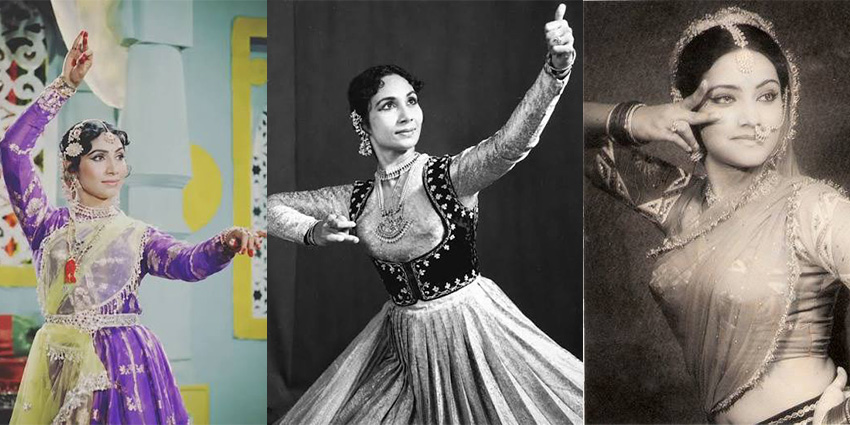
On the occasion, the Aatmalaya Lifetime Achievement Award was also presented to Guru Vasant Kumar, former Director of Sri Rajarajeshwari Bharatha Natya Kala Mandir. The award was received by his son and daughter.
The two-day From Immersion to Sadhana workshop, held on July 11 and 12 at Bharatiya Vidya Bhavan, Navi Mumbai Kendra, Vashi, explored the themes of Nama, Rupa, Nada and Bindu through the larger civilisational vision of the Natyashastra. Bharatanatyam practitioners, scholars, teachers and researchers participated in sessions examining natya not merely as a performing art, but as a discipline encompassing aesthetic refinement, contemplation, cultural continuity and inner transformation.
The four strands of the workshop approached this idea from different perspectives: Nama explored the power of language, mantra and meaning; Rupa examined form, embodiment, iconography and sacred aesthetics; Nada focused on sound, music, rhythm and resonance; while Bindu addressed stillness, integration and the source of expression.
Together, these explorations sought to revisit Bharata Muni’s conception of natya as a practice that refines perception, harmonises emotion and nurtures qualities contributing to both individual flourishing and a healthier civilisation.
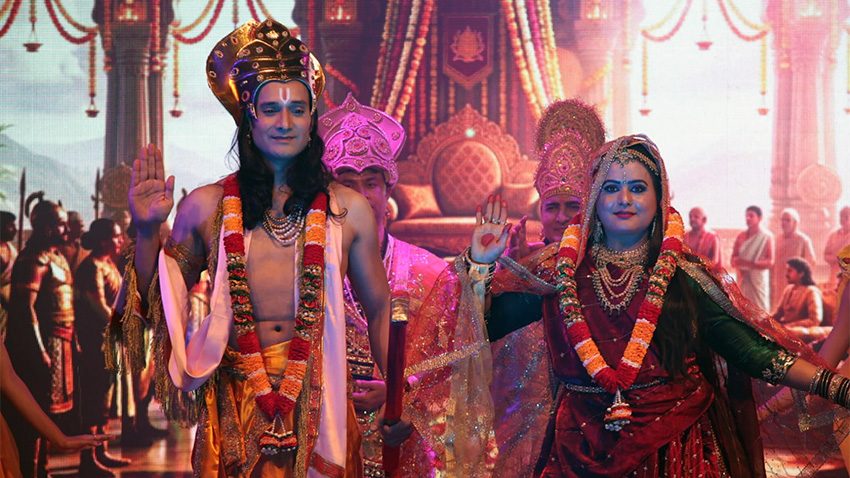
The concluding Immersion programme at Shanmukhananda Sabha also featured classical dance performances, bringing the two-day engagement from reflection and inquiry to artistic expression.