


Kirti Kala Mandir’s 33rd Nataraj Pandit Gopikrishna Jayanti Dance Festival returned to Nashik with NAYAK – Season Two, a three-day presentation bringing male dancers from diverse Indian classical traditions onto a common platform.
First introduced by the institution in 2016, NAYAK returned after a decade with performances spanning Manipuri, Kuchipudi, Kathak, Bharatanatyam, Odissi and Sattriya. Beyond the range of forms represented, the concept offered an interesting perspective on the male presence in Indian classical dance—moving across vigour and grace, tandava and lasya, devotion, abhinaya and rhythmic virtuosity.
The opening programme brought together Manipuri and Kuchipudi. Sudeep Kumar Ghosh began with Hari Naam Prachar, portraying the devotional mission of Sri Gauranga Mahaprabhu and Sri Nityananda through the tradition of Nat Sankirtana. Rhythmic structures including Ganju and Menkup formed an integral part of the presentation.
Rithvik Venkat followed with Ardhanareeswaram, a Kuchipudi composition revived from the Pagativesham tradition. Combining geometric movement, rhythmic energy and elements of lasya, the work portrayed the inseparable union of Shiva and Parvati. Conceived and choreographed by the late Dr. Ardhanareeswaram Venkat, the presentation explored the philosophical idea of duality within unity. The evening also featured Nritya Raas and Amrit Vakya, drawing upon pure dance, rhythm and the wisdom of the Bhagavad Gita.
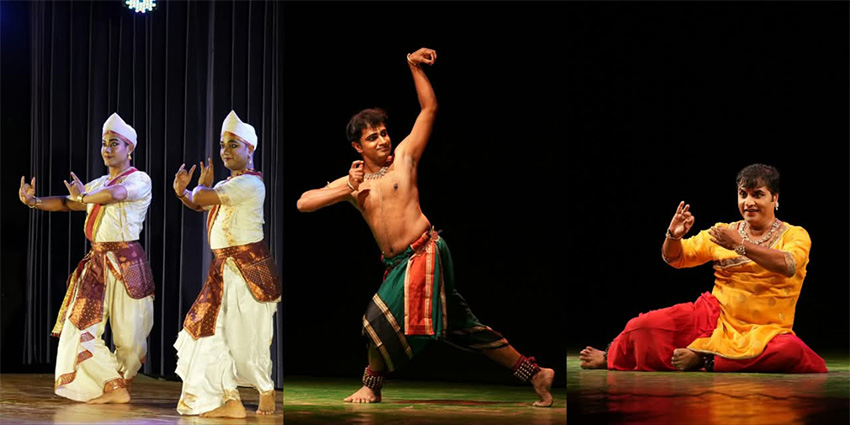
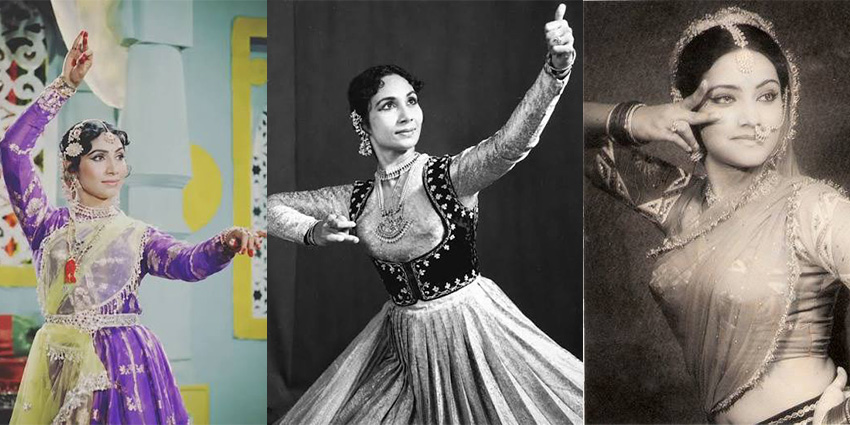
The second programme turned to Kathak and Bharatanatyam. Vaibhav Joshi opened with Durgashtakam in Raga Bhoopali, followed by traditional Teentaal presented in the Banaras Gharana style associated with Pandit Gopikrishna. Footwork, rhythmic patterns, energetic spins and expressive movement recalled the dynamic character for which the legendary dancer was known. Joshi concluded with a Chaturang in Raga Durga, bringing together elements of vocal and instrumental music, poetry and dance.
Bharatanatyam exponent Darshan Shankar presented a repertoire that moved through different emotional and devotional registers. His selections included Ananda Narthana Ganapatim, Hanumantha Deva Namo, a Jayadeva Ashtapadi and Shiva Panchaksharam, exploring devotion, valour, love, separation and different manifestations of Shiva.
The concluding programme brought Odissi and Sattriya to the festival stage. Sanatan presented Vishweshwaraya Mahadevaya, Dashavatara and Moksha. Moving from an invocation to Shiva to the ten incarnations of Vishnu and finally towards the idea of liberation, the repertoire reflected the spiritual and philosophical dimensions embedded in the Odissi tradition.
Sattriya dancers Tirtha Kumar Nath and Jyotishman Moran brought the devotional heritage of Assam into focus through Kaliya Daman, Krishna Leela and Tumi Hari Rokhero Hagor. Their presentations explored episodes from Krishna’s life alongside pure dance and expressions associated with the navarasas.
What made NAYAK particularly noteworthy was not simply the coming together of six classical traditions, but the space it created for examining the male dancer within them. Indian classical dance accommodates multiple expressions of the masculine—from physical vigour and rhythmic command to tenderness, surrender, longing and lasya. Seen across different traditions over three days, these contrasting expressions gave the festival concept a significance beyond its individual performances.
The Nataraj Pandit Gopikrishna Jayanti Dance Festival has now completed 33 uninterrupted years under Kirti Kala Mandir. Led by Guru Rekha Tai Nadgauda, the festival continues to commemorate a guru tradition while creating a performance platform for classical dancers and introducing Nashik audiences to artists and forms from different parts of India.
The three-day festival was conducted by Piyu Arole, with Ram Navale and Ravi Rahane handling sound and lighting. Dancers, students, connoisseurs and classical arts enthusiasts from Nashik attended the programmes across the festival.
With the return of NAYAK after ten years, the 2026 edition also raised an interesting artistic proposition: the male dancer in Indian classical traditions cannot be understood through strength or virtuosity alone. Across Manipuri, Kuchipudi, Kathak, Bharatanatyam, Odissi and Sattriya, NAYAK presented masculinity as capable of encompassing power and grace, assertion and surrender, rhythm and stillness—reminding audiences of the remarkably expansive vocabulary of Indian classical dance






One Response
Our heartfelt gratitude to ClassicalClaps for honouring the 33rd Nataraj Pandit Gopikrishna Jayanti Dance Festival – NAYAK: Season Two with such a beautiful and thoughtful feature.
Your words have captured the spirit, vision and artistic essence of this three-day celebration so beautifully.
For Kirti Kala Mandir, it is truly an honour to have our endeavour and the artists’ dedication recognised on a platform that celebrates Indian classical arts.
Thank you for amplifying the voice of this unique celebration and taking its spirit to a wider audience.
We deeply value your support in preserving, celebrating and carrying forward the rich legacy of Indian classical dance. 🙏
Rekha Nadgauda
Founder Director of Kirti Kala Mandir.