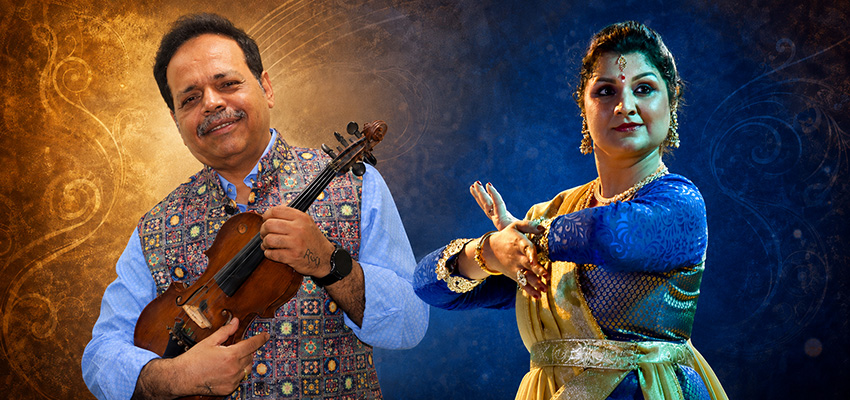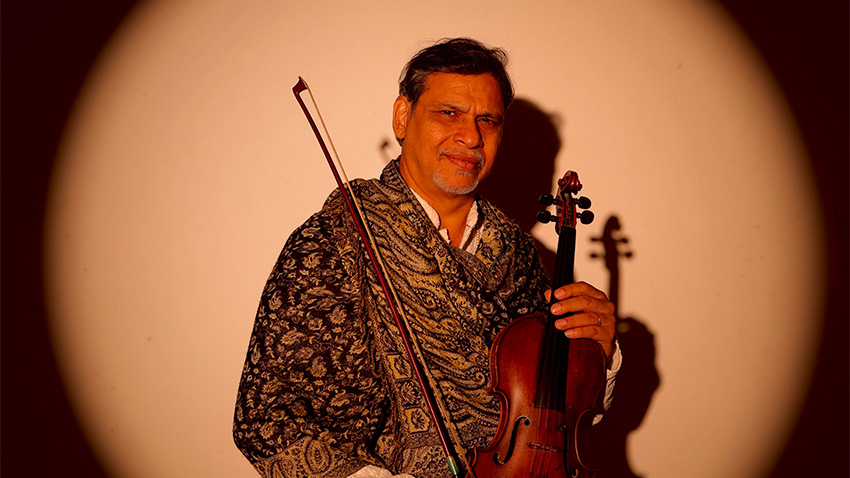
The seventh edition of the Madhavi Festival will bring two distinctive dance presentations to New Delhi on August 28, offering audiences an insight into the courtly, temple and ritual traditions of South India.
Organised by the Madhavi Foundation for Creative Excellence, the festival will feature Padma Bhushan awardee Swapnasundari’s Vilasini Natyam solo Parijatham, followed by Sarve Jana Sukhino Bhavanthu, an ensemble presentation by students of Ganesa Natyalaya.
The programme will begin at 7 pm at the Stein Auditorium, India Habitat Centre. Seating will be available on a first-come, first-served basis.
Satyabhama’s Emotional World in Parijatham
The evening will open with Parijatham, a new solo work conceived and performed by Swapnasundari, the dancer credited with reviving and establishing Vilasini Natyam as a contemporary performance tradition.
Drawing upon a nearly 300-year-old unpublished libretto, the production explores the complex emotional world of Satyabhama and her intense love for Krishna. Through dance, music and spoken dialogue, Swapnasundari will portray Satyabhama’s pride in her royal lineage, longing for Krishna, jealousy towards his other consorts, possessiveness and overwhelming devotion.
The production also draws attention to the visual vocabulary of an earlier period through its costume and handmade wooden ornaments.
“Vilasini Natyam is an artistic creation which reflects the typicalities of dances performed in the royal courts and temples of Telugu land,” Swapnasundari said.
She added that the presentation would explore the “kaleidoscopic emotional world of Satyabhama” while foregrounding manodharma—the spontaneous, non-choreographed improvisation that once characterised the performances of temple and court dancers in South India.
Ritual, Prayer and Performance
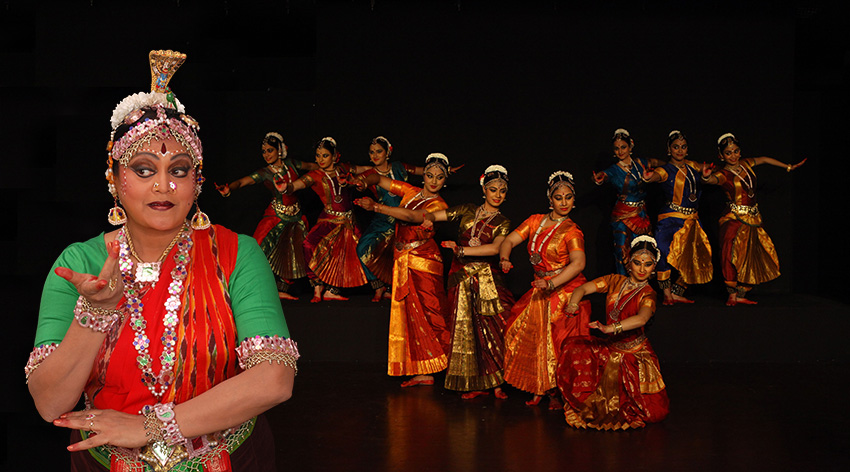
The second presentation, Sarve Jana Sukhino Bhavanthu, will feature students of Ganesa Natyalaya in a choreographic interpretation of the ancient Agama Baliharanam ritual.
The work emerged from a ten-day workshop conducted by Swapnasundari for the students of Ganesa Natyalaya. It brings together ritual dance sequences, audio-visual elements and a flowing narrative designed to explain the context and significance of the tradition.
Swapnasundari uses the term “Agama Bharatham” to describe the ritualistic dance vocabulary associated with Agamic worship. Centred on a universal prayer, the production invokes peace, equanimity and harmony for all humanity.
“The Madhavi Festival has always celebrated the depth and diversity of Indian dance, and presenting Vilasini Natyam by Swapnasundari is an honour,” said dancer and festival co-founder Rama Vaidyanathan.
Referring to the ensemble presentation, she added, “Sarve Jana Sukhino Bhavanthu reminds us that dance can be both prayer and pedagogy—uniting performers and audiences in a shared aspiration.”
A Legacy of Revival and Research
An accomplished dancer, choreographer and vocalist, Swapnasundari is known for her work in Kuchipudi and Bharatanatyam, as well as her sustained efforts to revive Vilasini Natyam. Drawing from the repertoire of Telugu hereditary women performers, her practice combines performance, research, teaching, writing and music.
Since 1996, she has also presented Baliharana and other rituals as part of live worship during the annual Brahmotsavam at the Sri Ranganatha Swamy Temple in Rang Bagh, Hyderabad.
The Madhavi Festival was founded in memory of Madhavi Gopalakrishnan by her children—dancer Rama Vaidyanathan, author and social activist Meera Khanna, educationist Indira Nayar and decorated Army officer Colonel Ravi Nair. Now in its seventh edition, the festival continues to honour her passion for dance by presenting artists and traditions that contribute to the diversity of India’s performing arts.
Event details:
Date: Friday, August 28, 2026
Time: 7 pm onwards
Venue: Stein Auditorium, India Habitat Centre, New Delhi
Entry: Seating on a first-come, first-served basis